
The Landscape Design Guidelines are a resource developed to improve landscapes across PRT's system. This document provides design considerations, encourages alternative maintenance practices, and identifies realistic implementation strategies.
Read the Landscape Design Guidelines
PRT's Landscape Design Guidelines have been completed, published, and are being used internally on several new projects.
Overview
These guidelines aim to help to improve the effectiveness of the agency's maintenance efforts. Intended for planning and design consultants, PRT planning and engineering project managers, and maintenance teams, this document provides design considerations, encourages alternative maintenance practices, and identifies realistic implementation strategies. The guidelines establish a clear framework for understanding current landscape conditions and implementing sustainable improvements that enhance the passenger experience while reducing long-term maintenance demands. They also serve as a source of inspiration, encouraging thoughtful and impactful improvements to the transit environment.
The guiding principles for the Landscape Design Guidelines are informed by previous planning documents such as LRT Design Guidelines, TOD Guidelines, and Station Area Plans. The following principles were established collectively at the project onset, and should be referenced throughout future planning efforts to inform decision-making.
Environment + Ecology
The Landscape Design Guidelines prioritize ecological health and climate resilience through:
- Habitat management + protection
- Ecological restoration
- Stormwater management
- Decarbonization
- Heat island mitigation
- Climate resilience
- Stormwater management strategies
- Environmental awareness
Care + Maintenance
All strategies are rooted in a realistic understanding of operational capacity:
- Native plants selected for their unique condition + environment
- Replicable, adaptable + low maintenance
- Litter reduction strategies
- Maintenance strategies + requirements
- Equipment + vehicles
- Ease of replacement
Experience
Designs must enhance rider comfort, safety, and the overall perception of transit environments:
- Clear sight lines
- Accessible walkways
- Public safety
- Amenities + seasonal considerations - creating welcoming experience year-round
- Cohesive design language reinforcing PRT's brand identity
Community-Minded
Landscapes should reflect the needs of all communities served by PRT, with attention to fairness, accessibility, and public health. Priorities include:
- Promote belonging
- Align with neighborhood context, while providing system-wide consistency
- Inclusive and accessible for all
- Support green jobs
- Staff considerations (include maintenance staff in decision making)
- Address public health disparities
- Improve air quality + access to nature
Based on the guiding principles, the following landscape-specific goals were identified:
Improve Passenger Experience
- Create comforting and welcoming station areas
- Maintain visibility for rider convenience and safety
- Focus landscape improvements in high visibility or high use areas
Increase Tree Canopy Coverage
- Provide shade for enhanced rider comfort
- Mitigate urban heat island impacts
- Support improved biodiversity and resilience
Create More Durable Landscapes
- Incorporate low maintenance planting strategies that evolve over time
- Consider life cycle processes and cost benefit analyses: for example, long-term benefits of GSI to offset hard costs
- Create landscapes that are prepared for a changing climate, including flooding and increasing temperatures.
Align with Climate Action Plan
- Identify landscape strategies that support carbon reduction and greenhouse gas offsets
Simplify Planning Process
- Build consensus around feasible, achievable landscape solutions
- Ensure landscape is considered a core element of transit infrastructure and is embedded in project scopes, budgets, and design decisions from the beginning of a project
Align Maintenance + Land Management Strategies
- Create a system-wide approach to landscape maintenance to streamline maintenance activities and efforts.
- Offer actionable strategies that are aligned with PRT's resources and long-term vision for land stewardship.
Landscape Typologies
Image 1 of 12
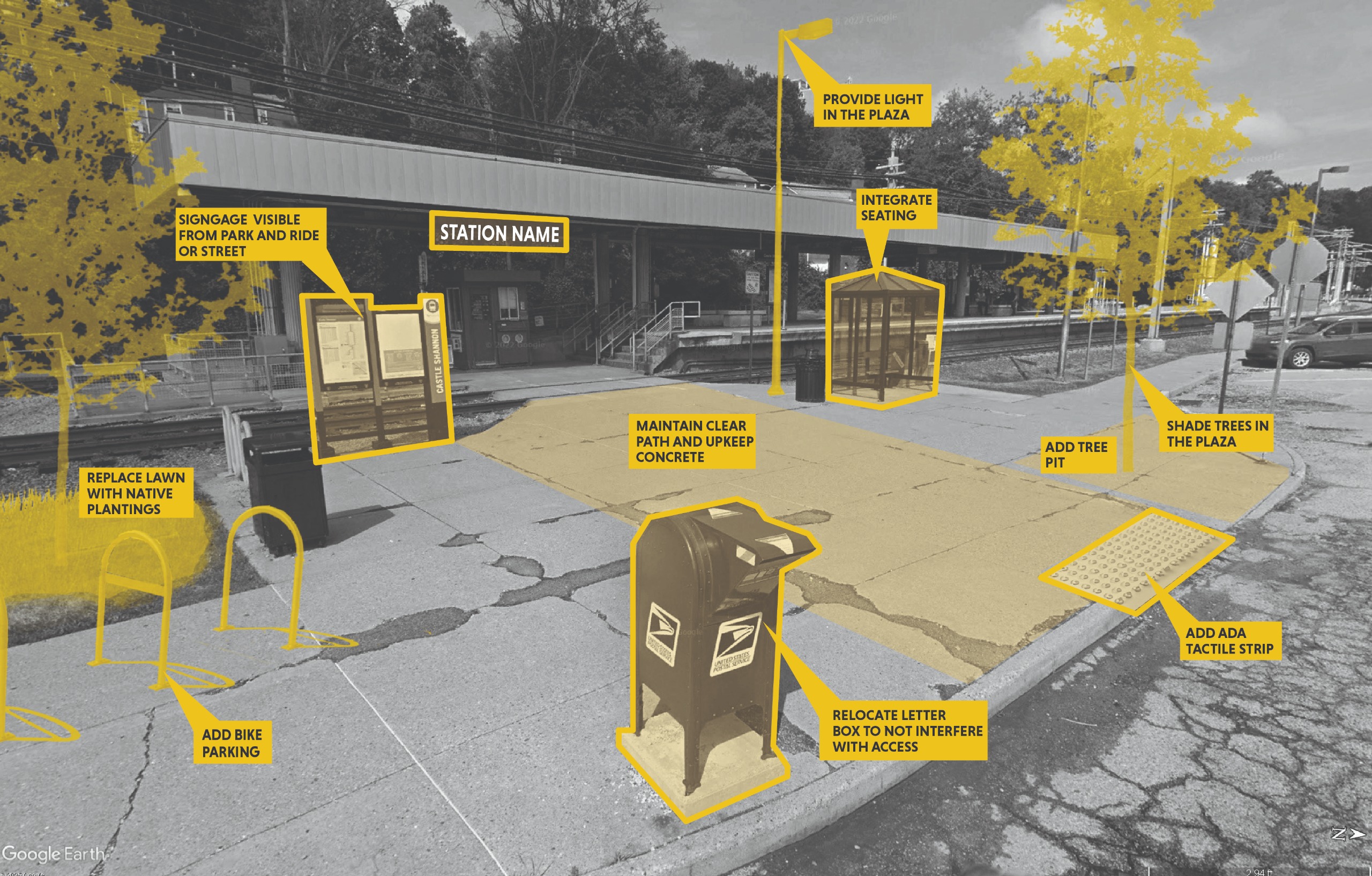
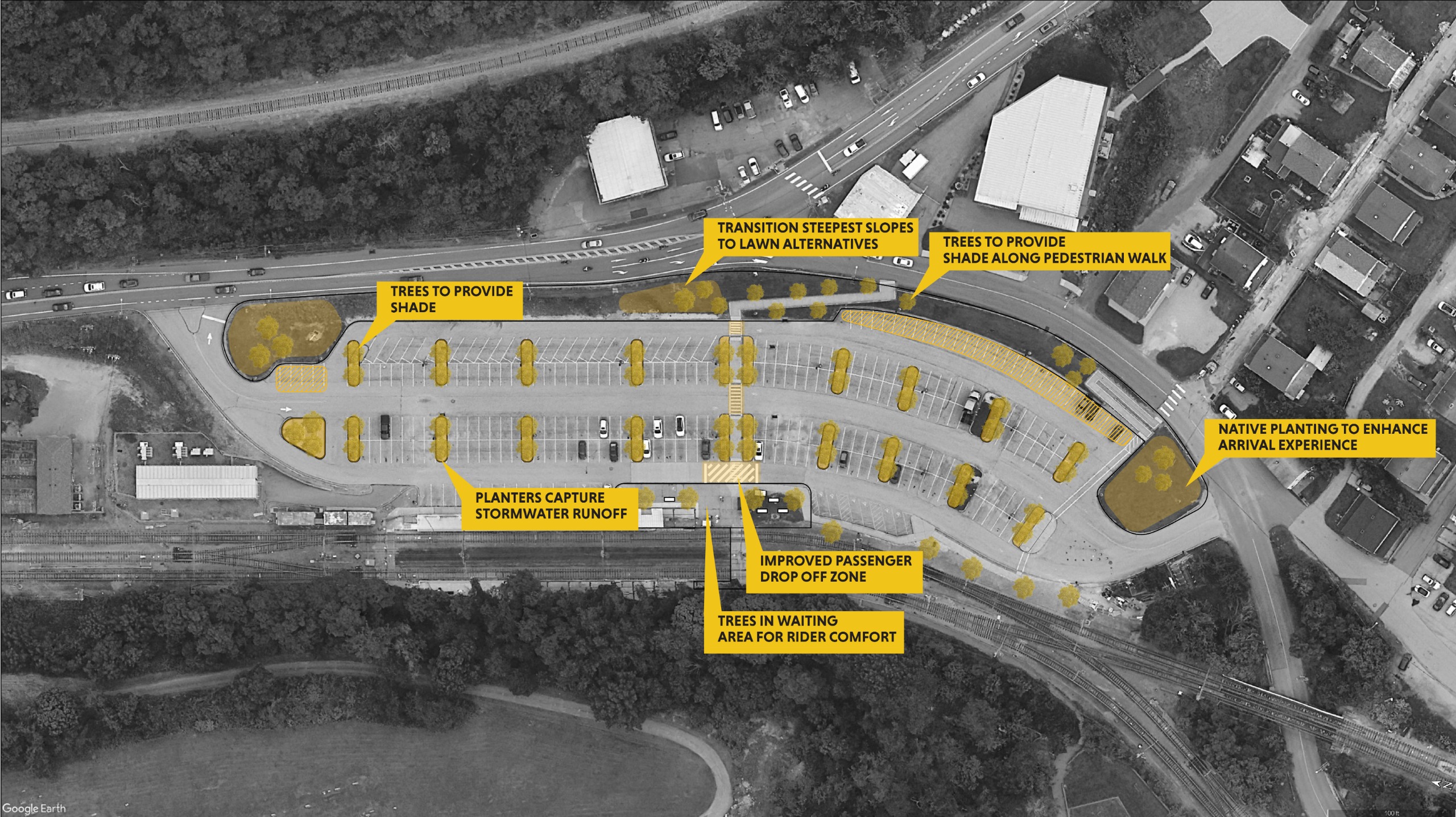
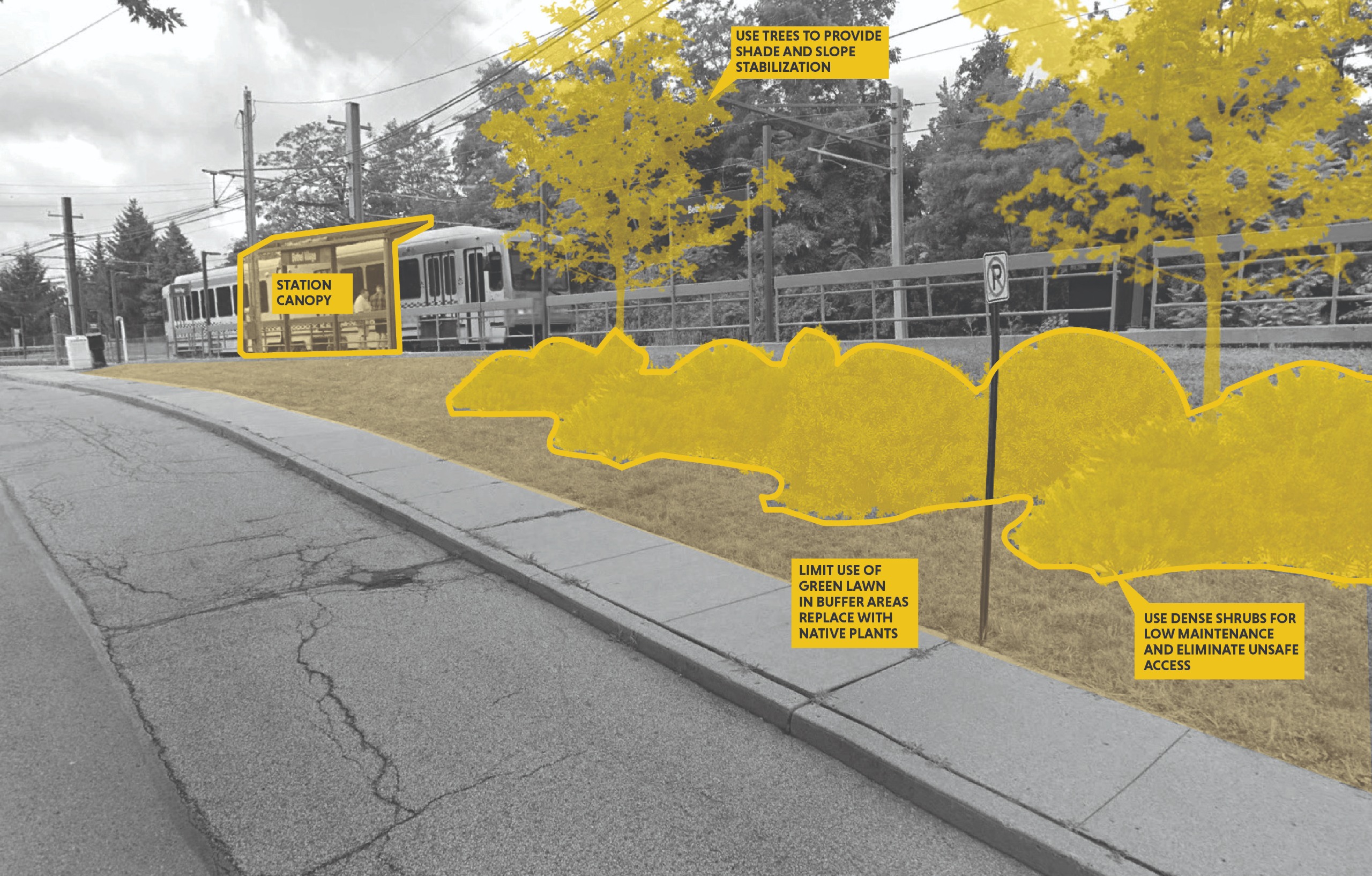
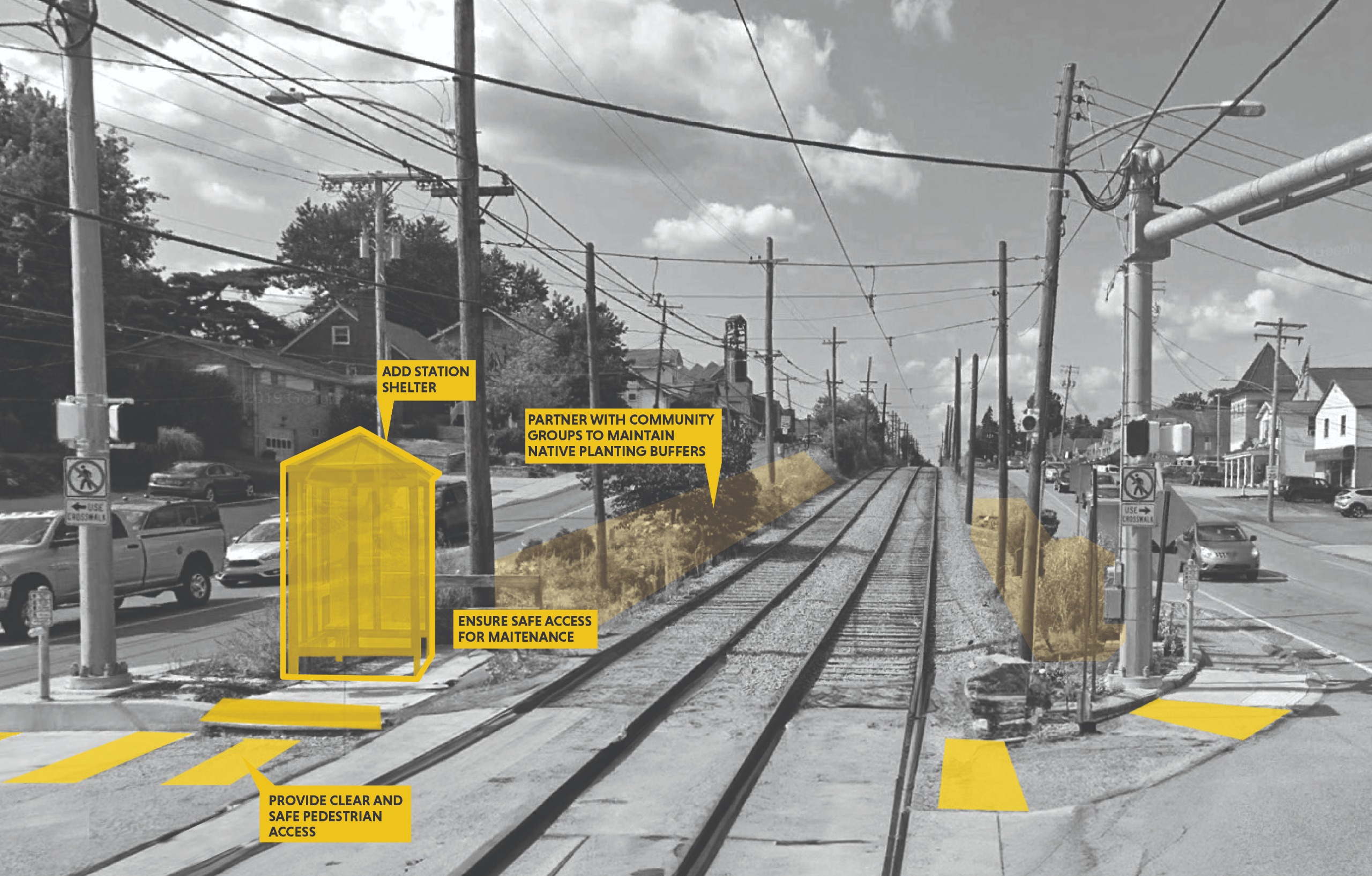
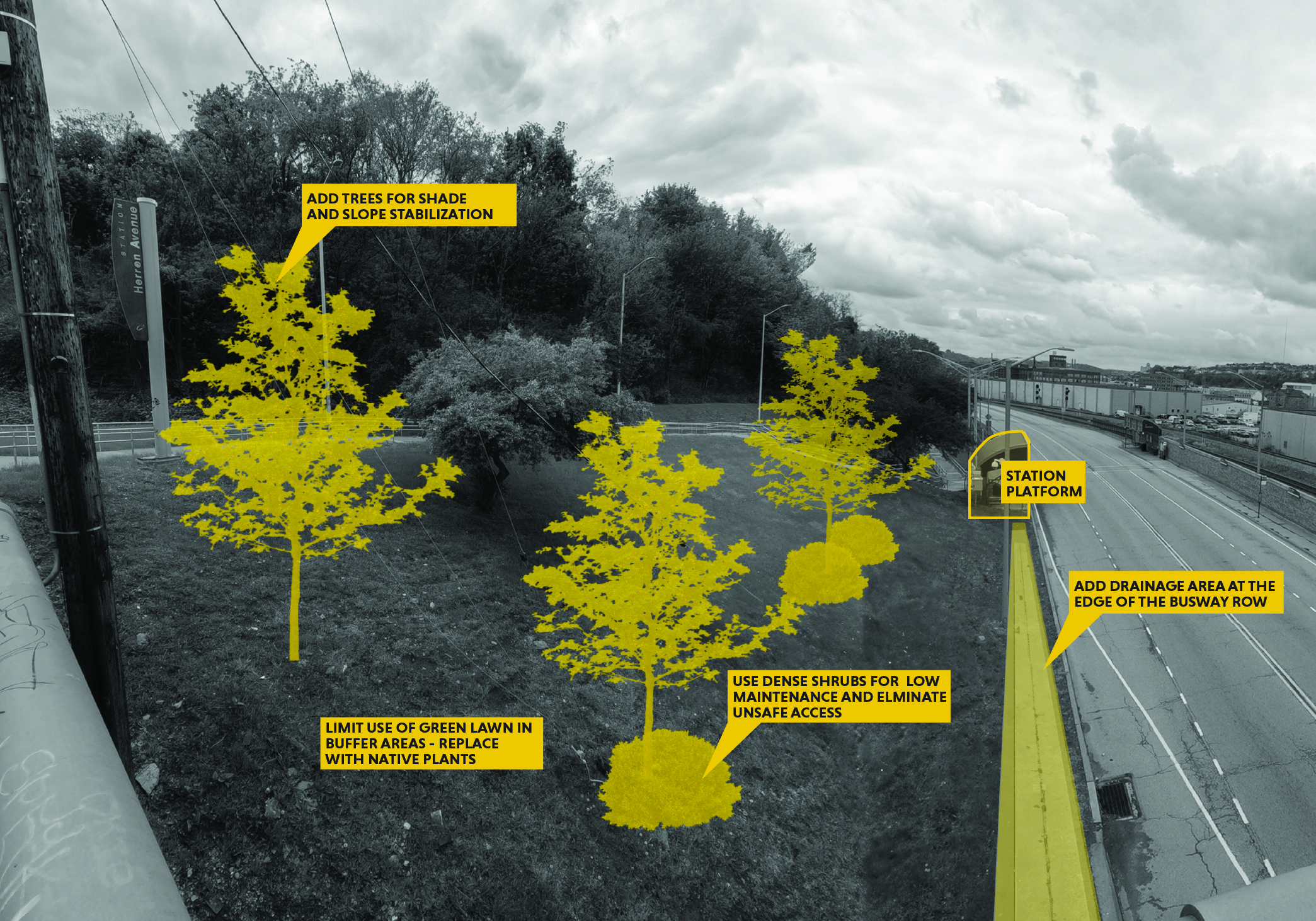
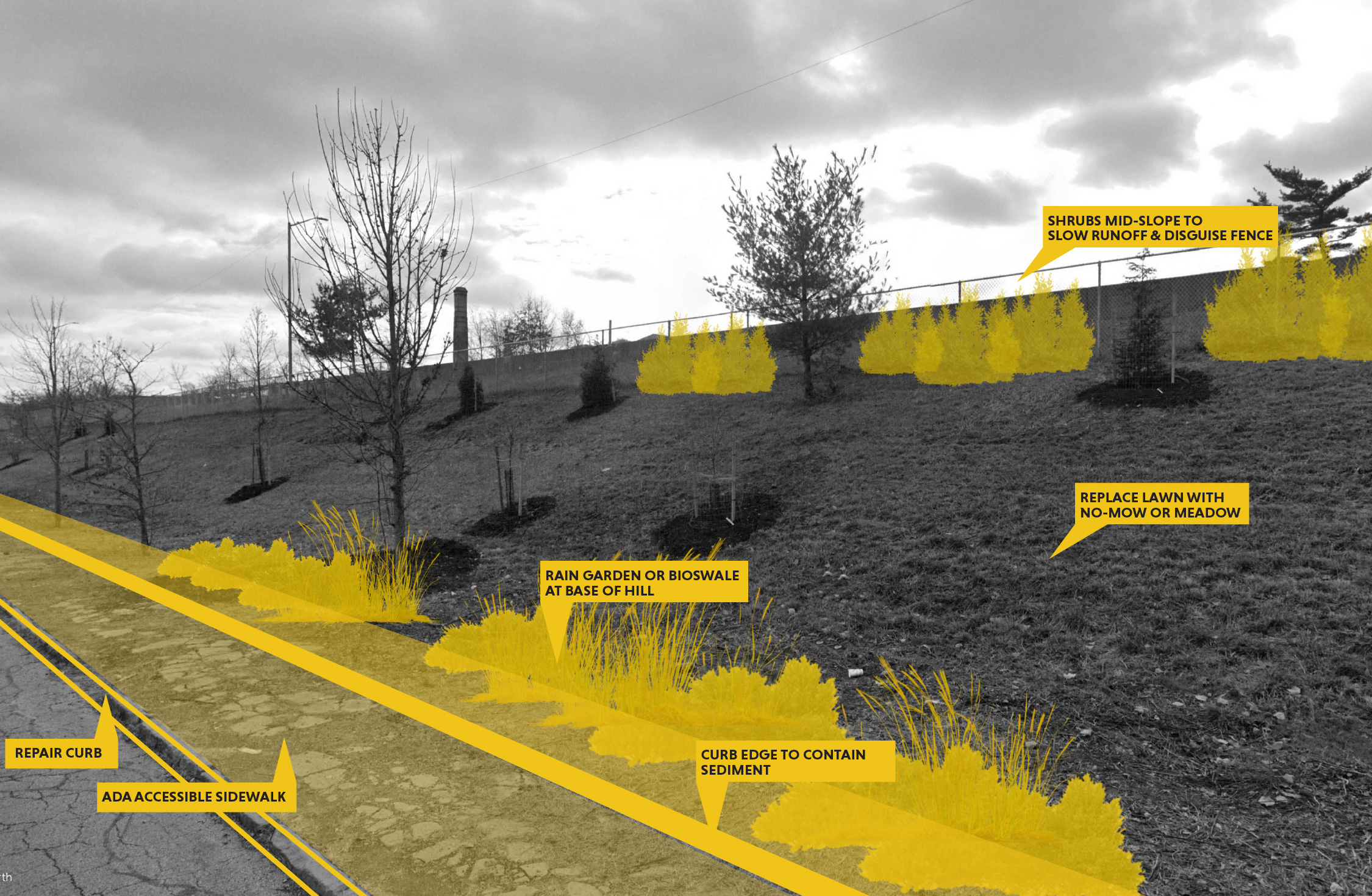
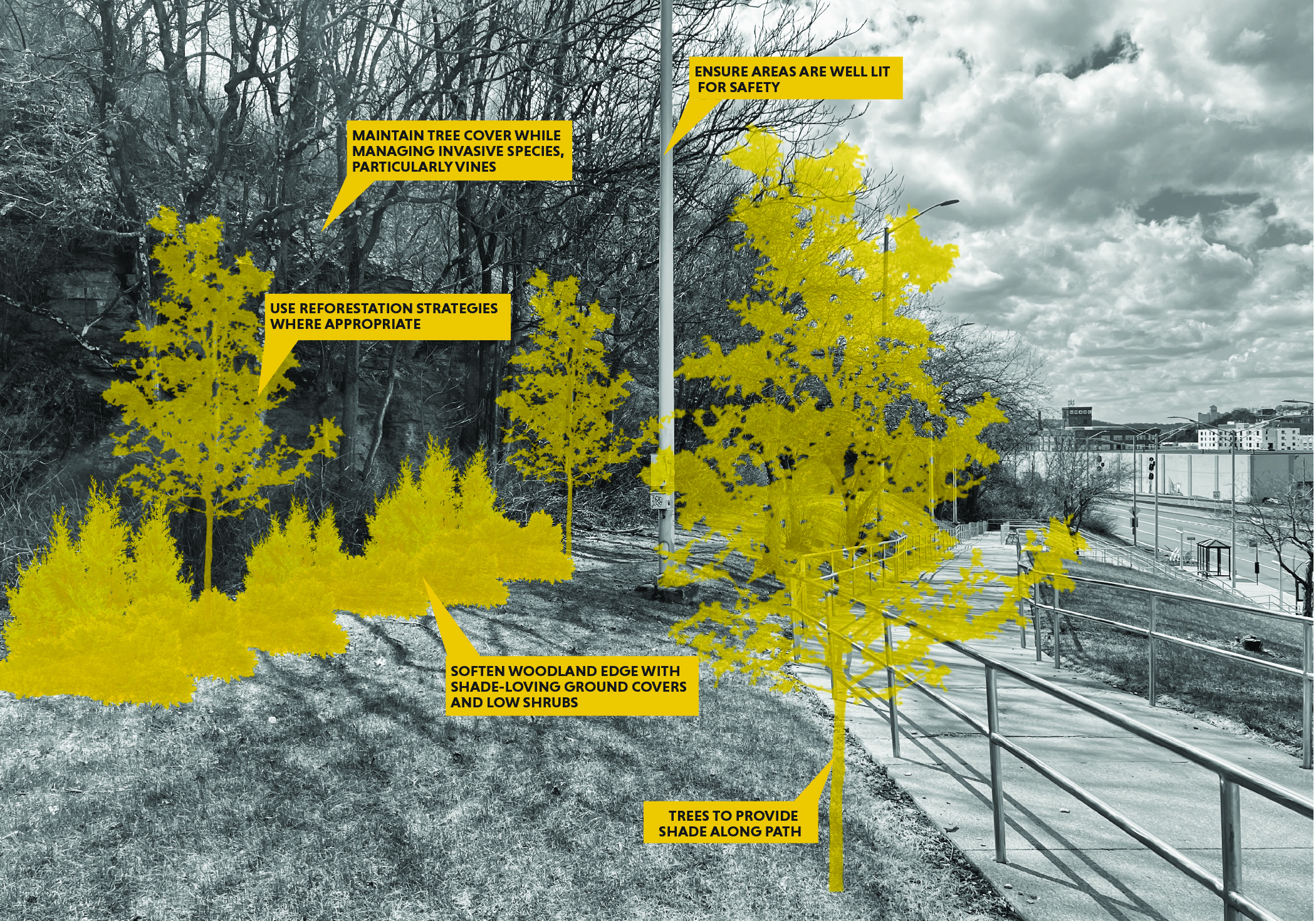
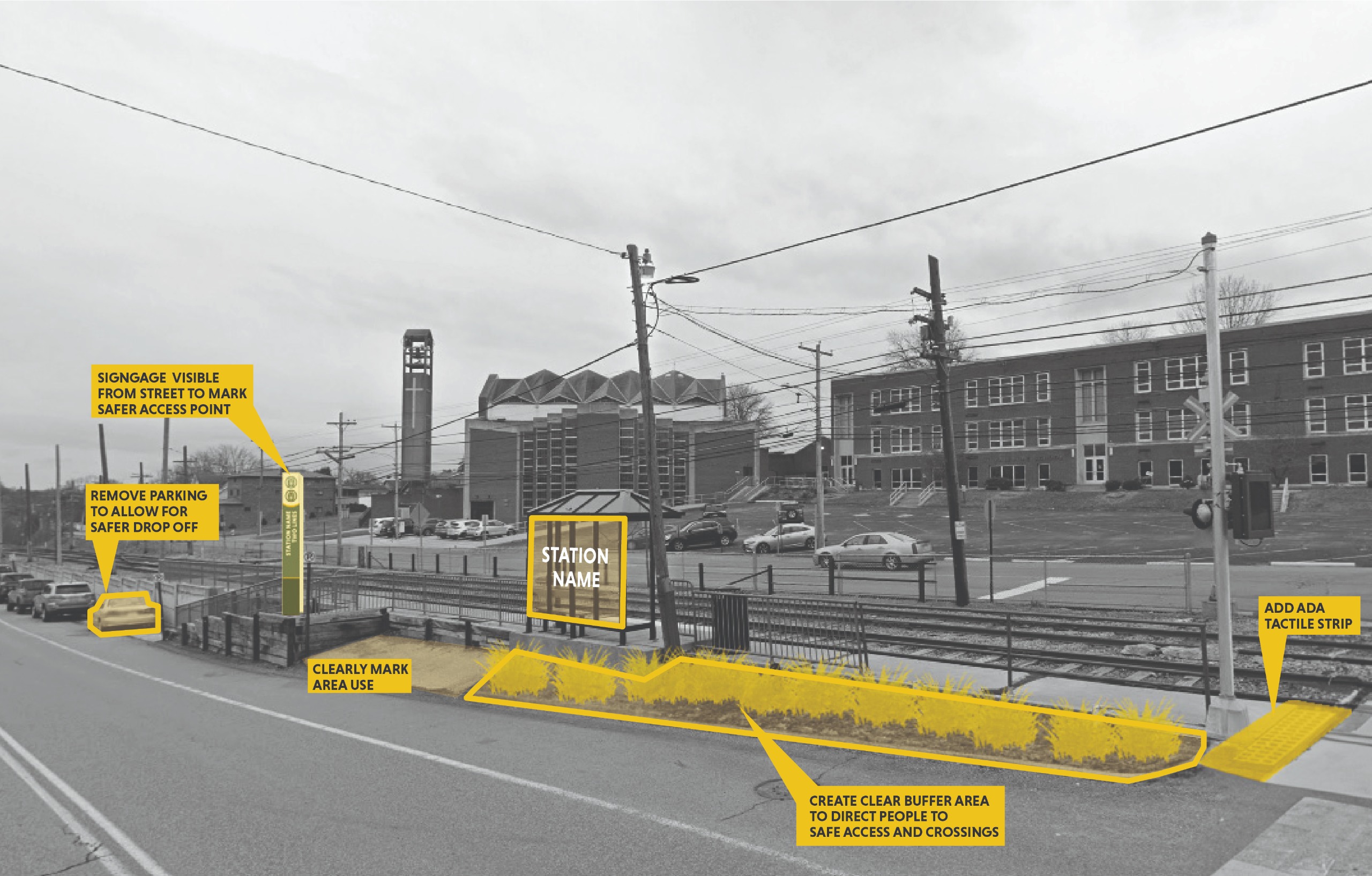
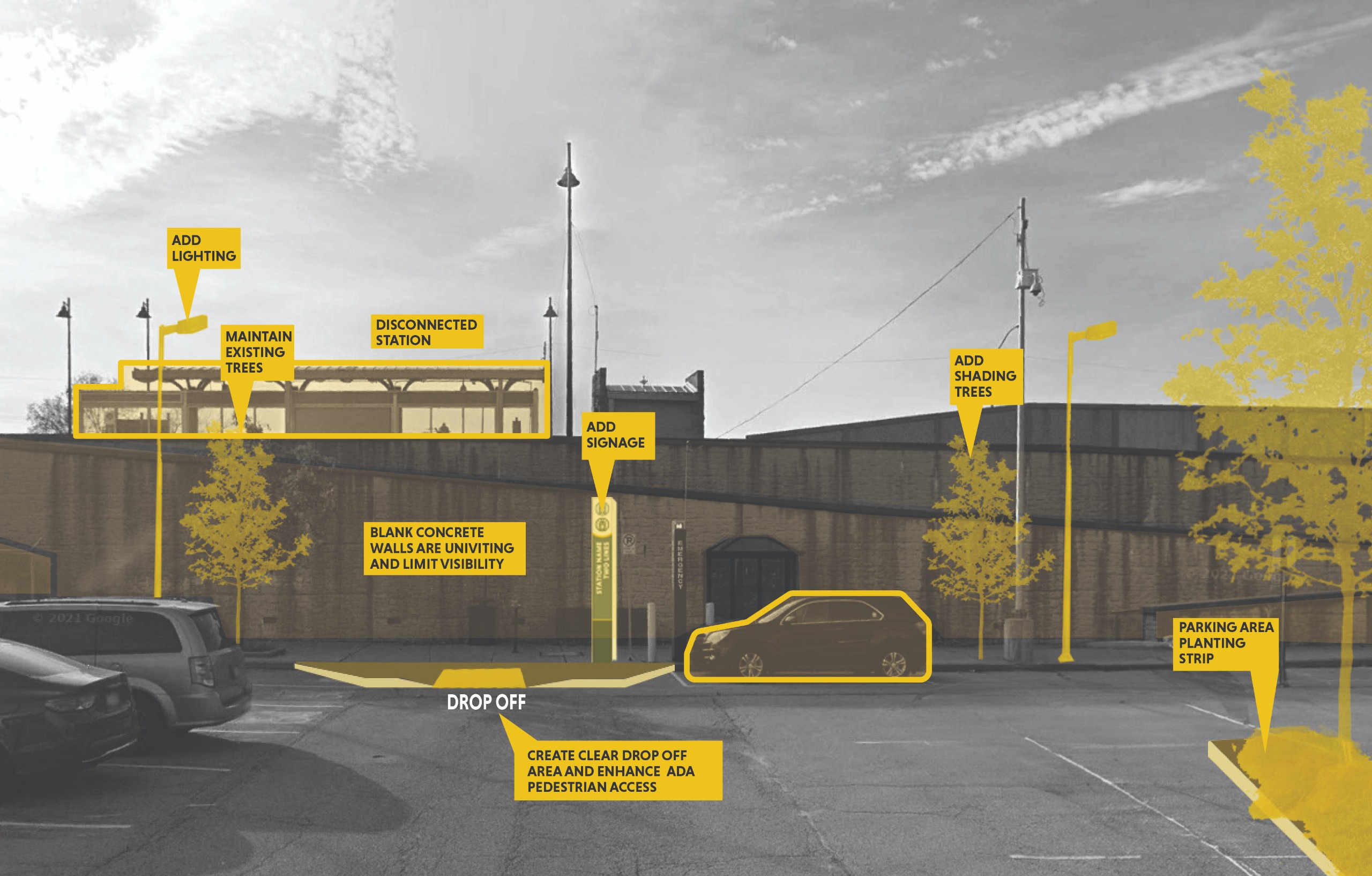
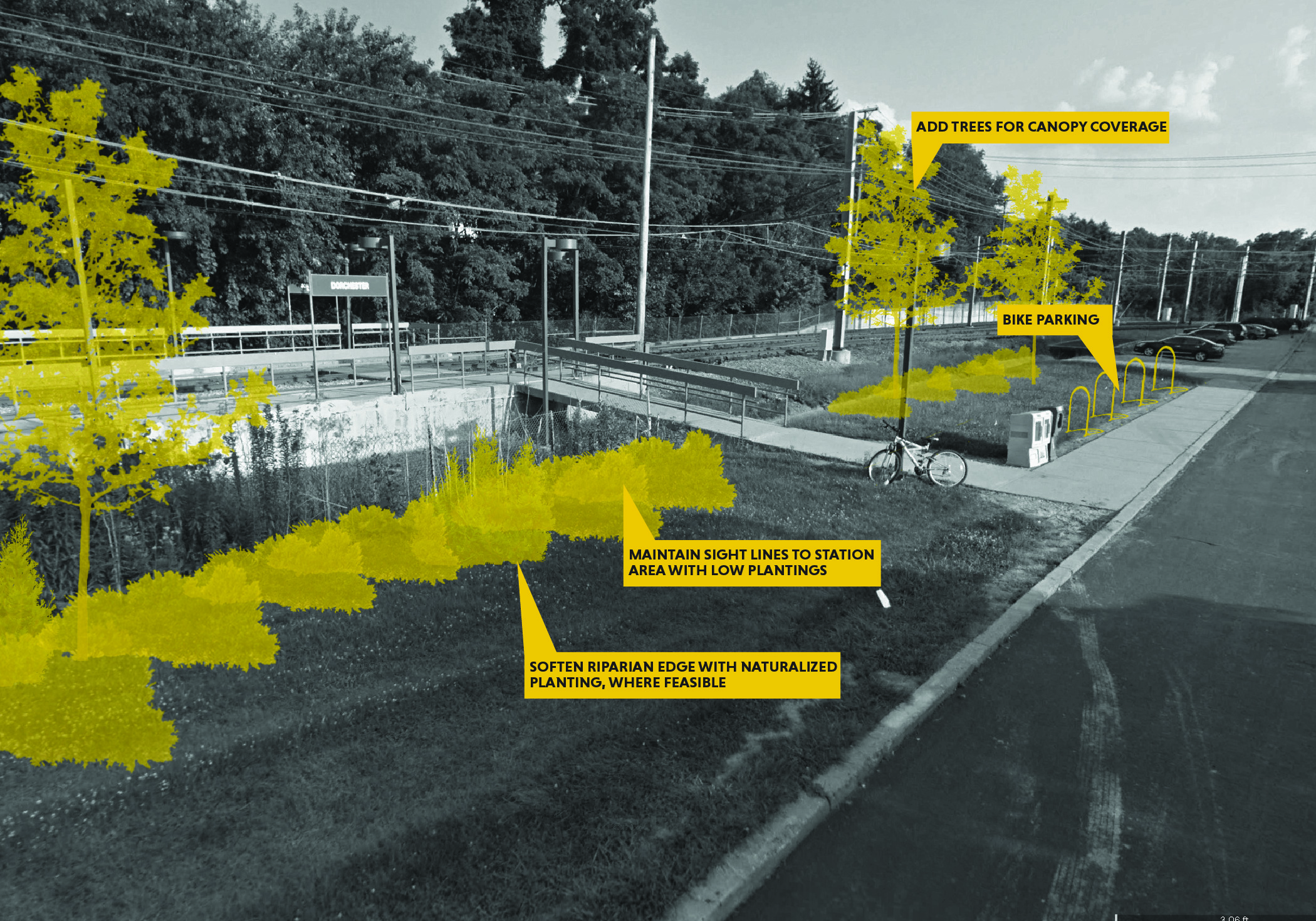
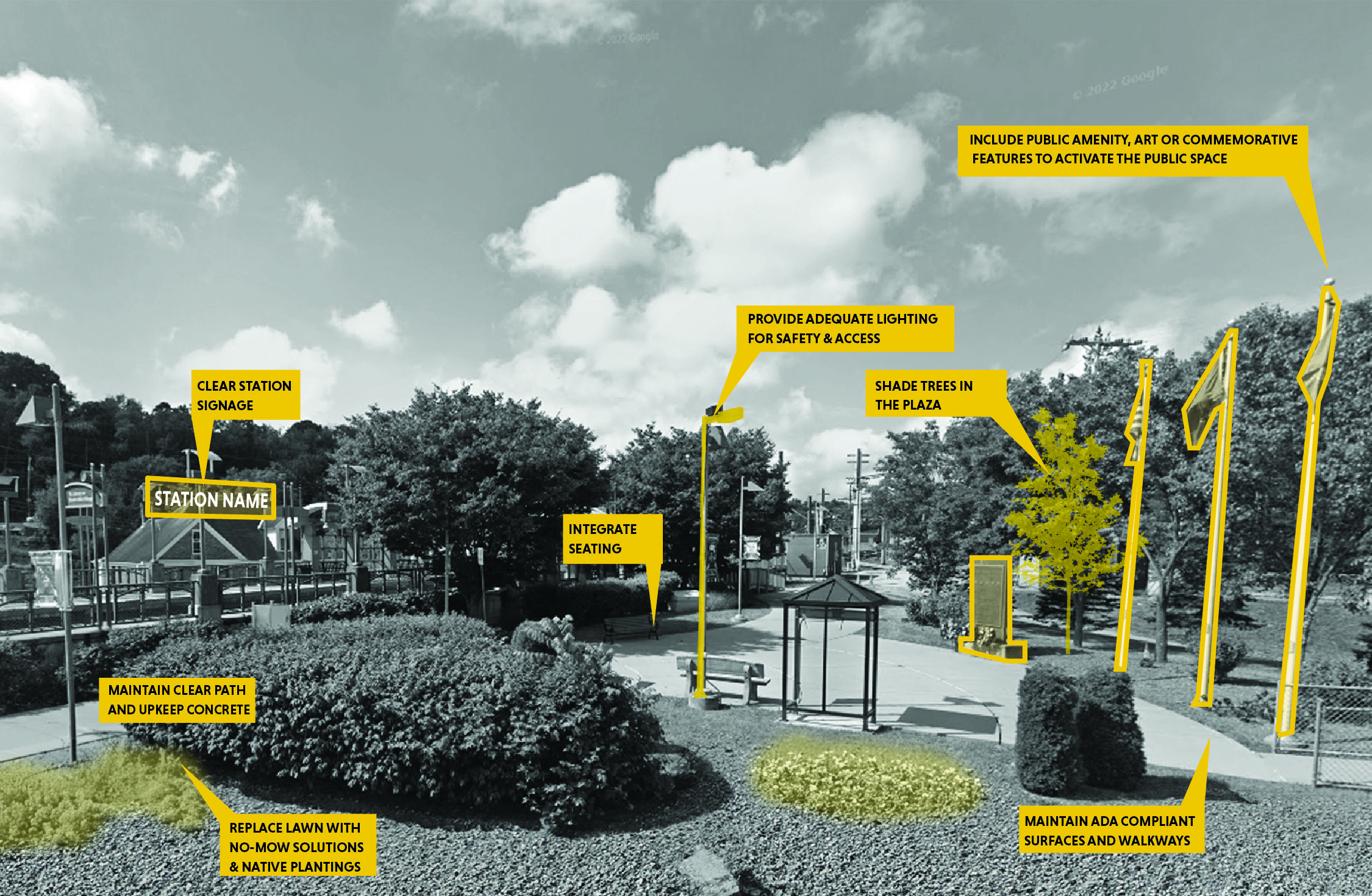
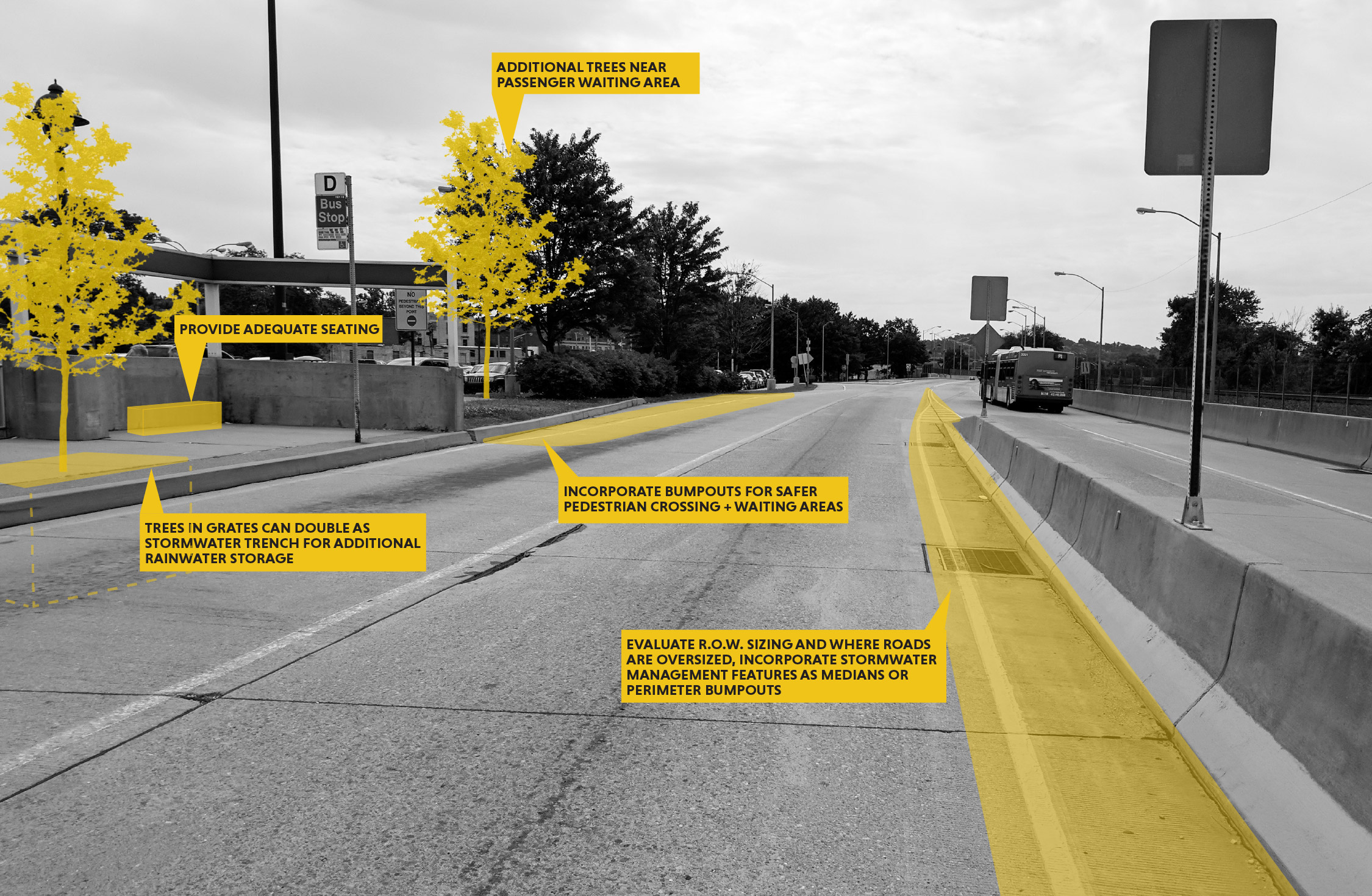
Landscape Strategies
Image 1 of 10
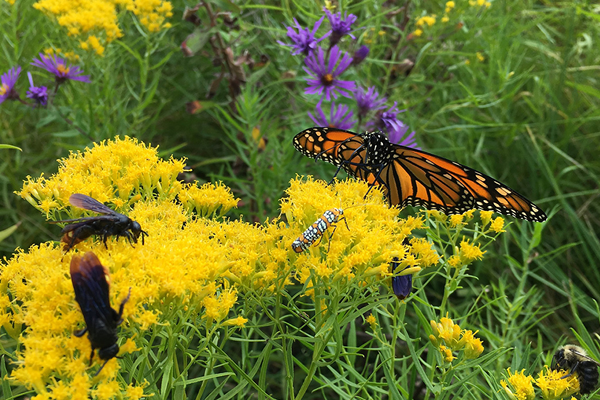
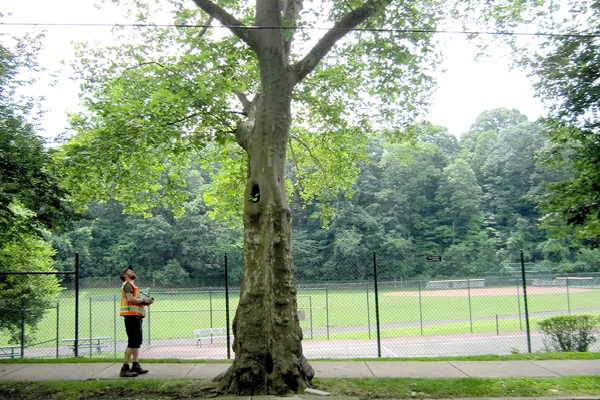
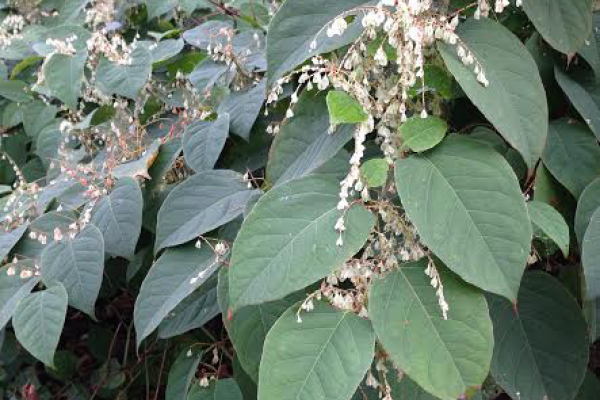
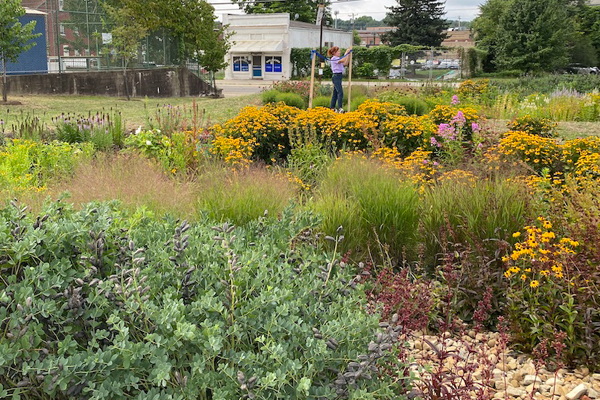
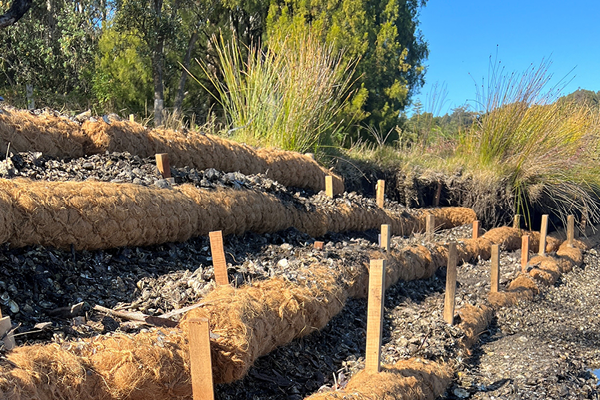
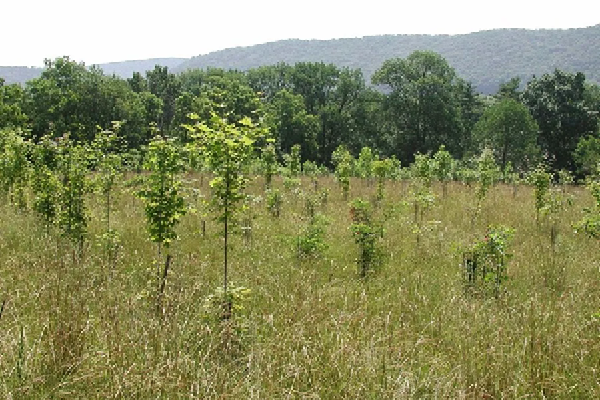
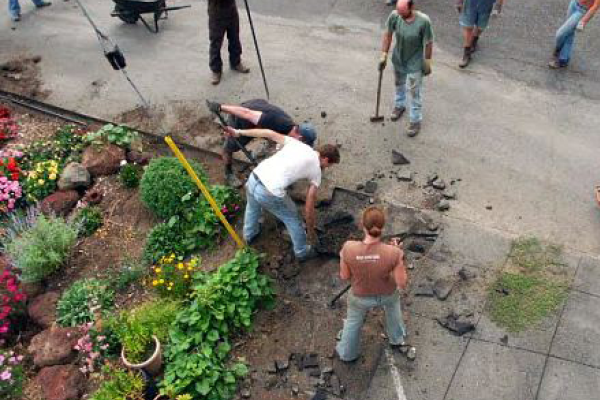
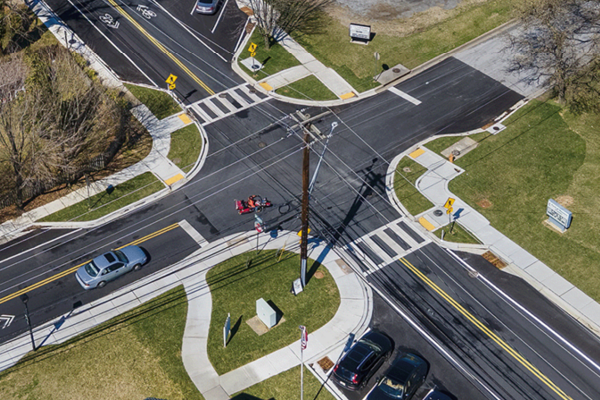
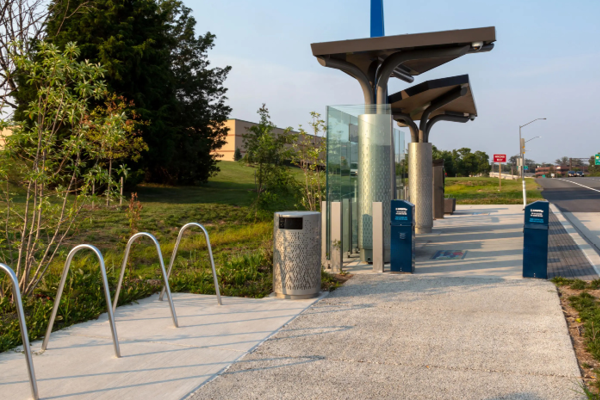
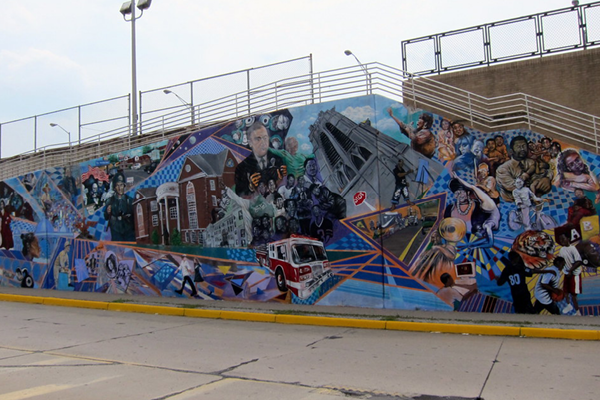
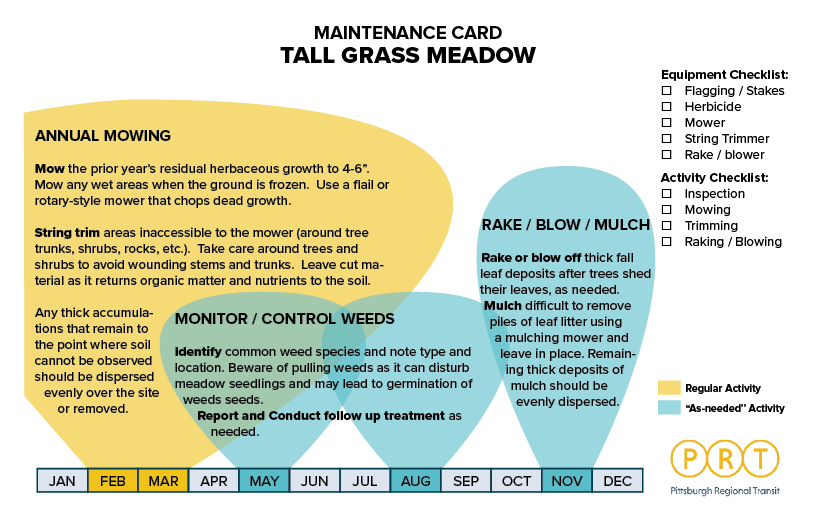
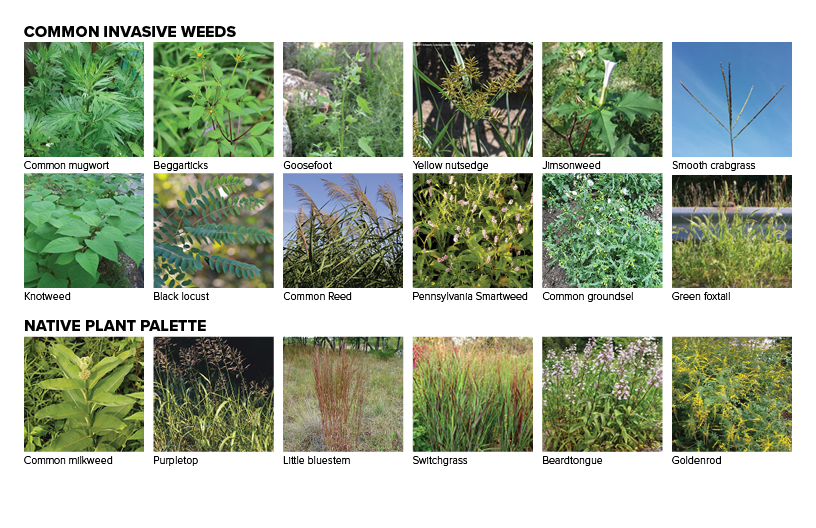
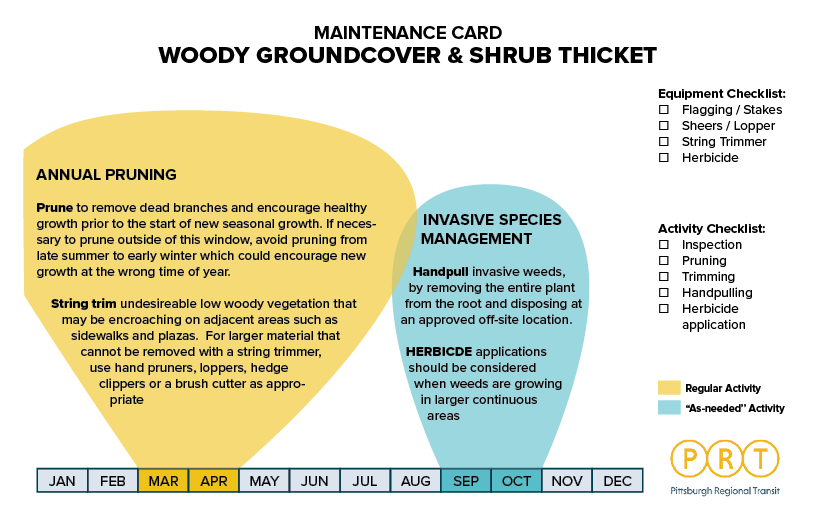
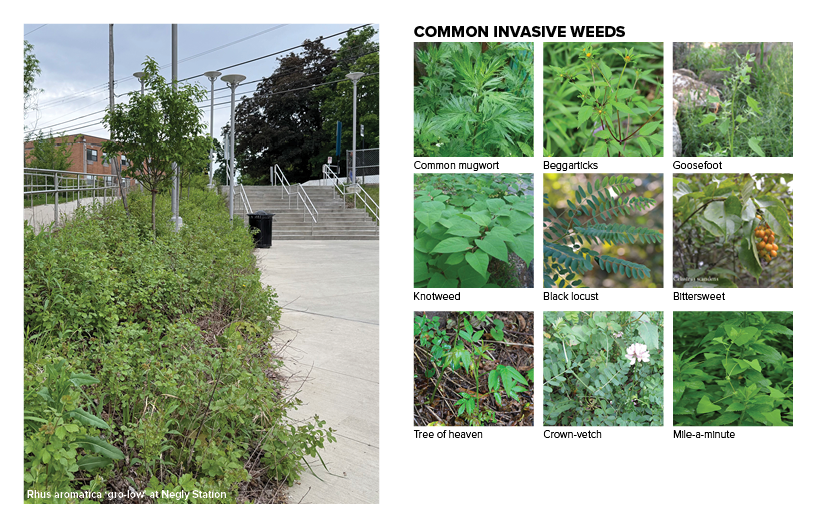
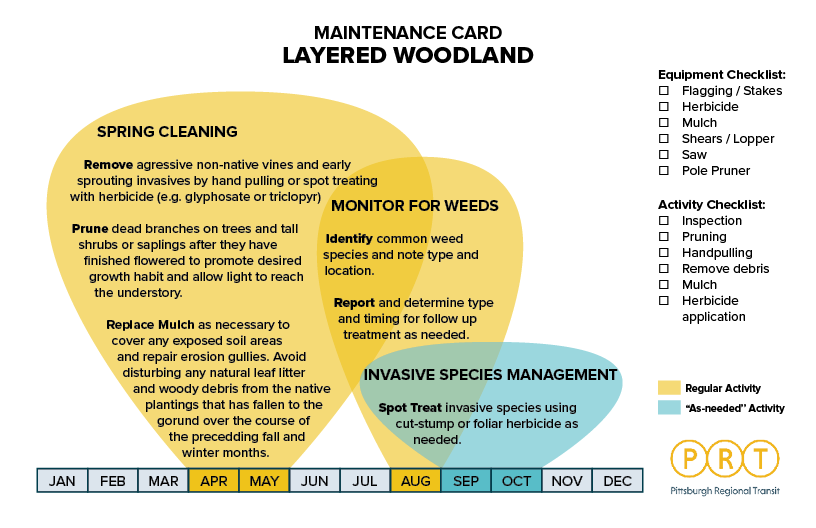
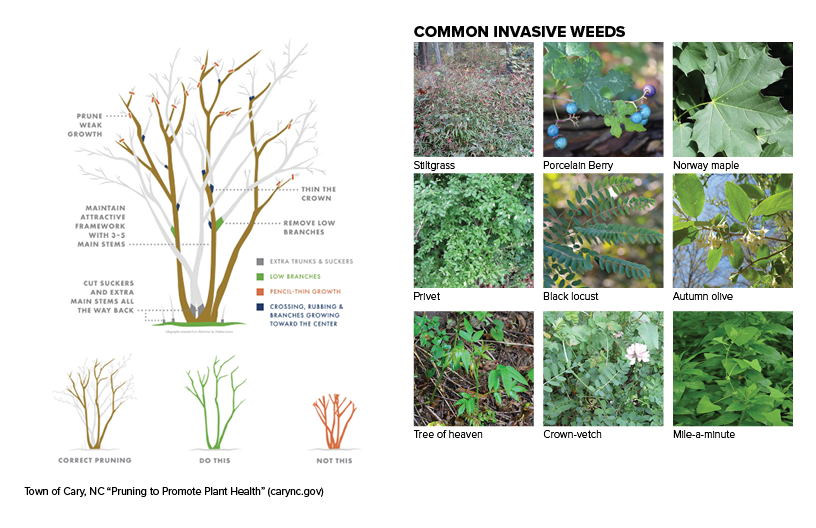
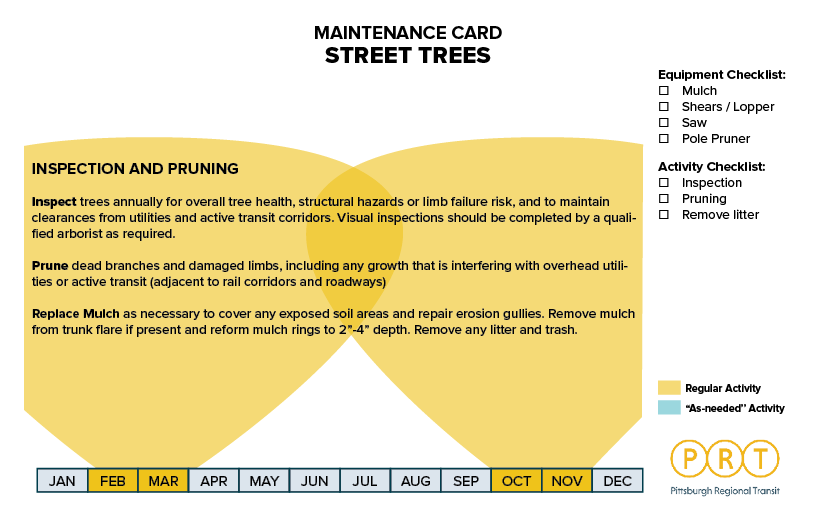
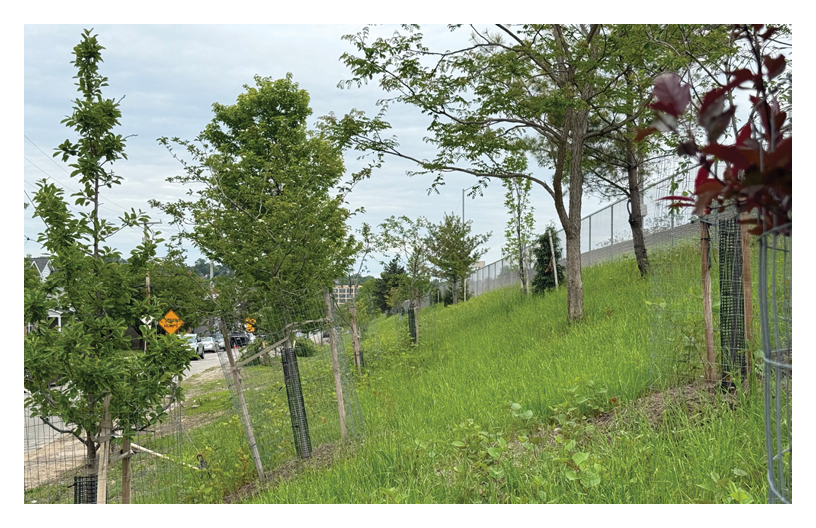
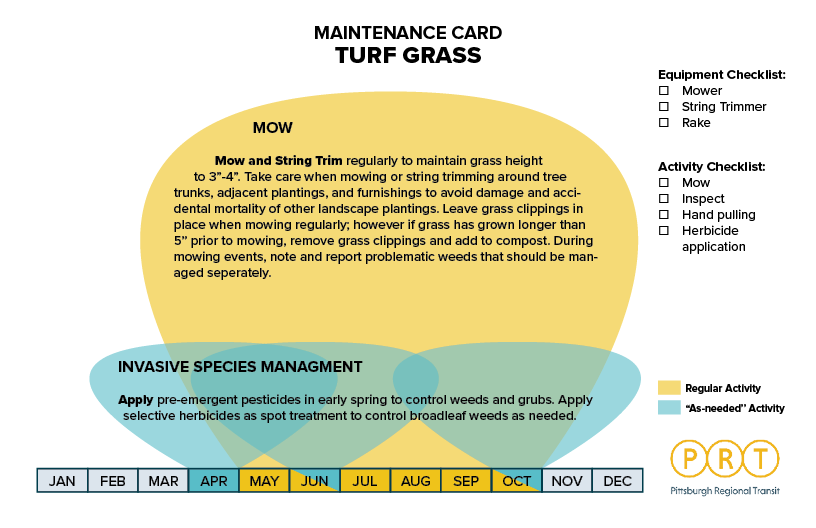
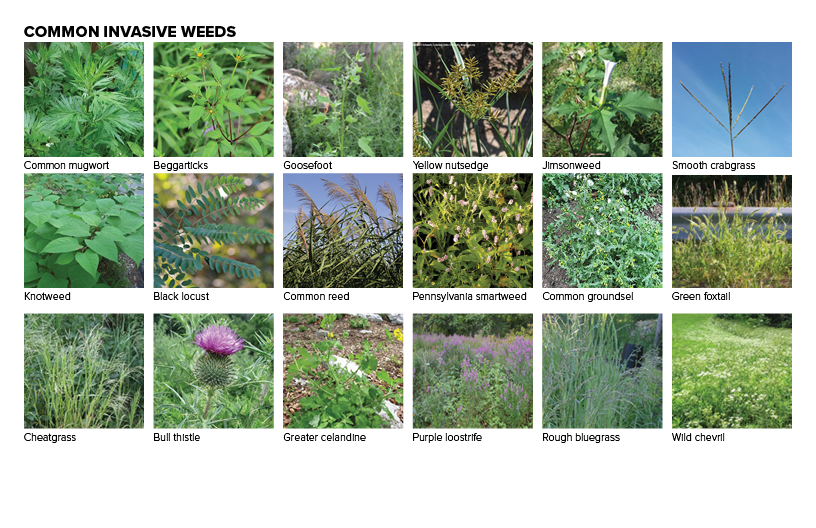
Maintenance Cards for Common Landscape Conditions
Document Library
-
 Landscape Design GuidelinesPDF (18.48 MB)
The entire Landscape Design Guidelines Document
-
IntroductionPDF (13.19 MB)
Chapter 1
-
Landscape TypologiesPDF (9.85 MB)
Chapter 2
-
Landscape StrategiesPDF (4.89 MB)
Chapter 3
-
Design ConsiderationsPDF (3.14 MB)
Chapter 4
-
RecommendationsPDF (3.29 MB)
Chapter 5
-
AppendixPDF (8.58 MB)